Getting Started with Ledger: Your Guide to Trading, Sending, Receiving Crypto, and More on Ledger.com/start
In the fast-paced world of cryptocurrency, having a secure and user-friendly platform to manage your digital assets is essential. Ledger, a leading provider of hardware wallets and crypto management tools, offers a comprehensive solution through its Ledger.com/start portal. This gateway is designed for beginners and experienced users alike who want to trade, send and receive crypto, set up price alerts, and explore additional features. Whether you're new to crypto or looking to enhance your portfolio management, Ledger.com/start simplifies the process with robust security and intuitive interfaces. In this article, we'll walk you through everything you need to know to get started, ensuring you can handle your crypto activities confidently and safely.
Ledger's ecosystem revolves around its hardware wallets, like the Ledger Nano S Plus or Nano X, combined with the Ledger Live app. This setup allows you to store your private keys offline while interacting with the blockchain seamlessly. Unlike software wallets that are vulnerable to online hacks, Ledger's hardware approach keeps your assets protected. If you're eager to dive into trading volatile coins, transferring funds to friends, or staying updated with market fluctuations via alerts, Ledger.com/start is your entry point. Let's break it down step by step.
Understanding Ledger and Its Core Benefits
Before jumping into the setup, it's worth understanding what makes Ledger stand out in the crowded crypto space. Founded in 2014, Ledger has built a reputation for prioritizing security without sacrificing usability. The company's hardware wallets support over 5,500 cryptocurrencies, including Bitcoin, Ethereum, and altcoins like Solana and Cardano. Through Ledger.com/start, users can access guides, downloads, and resources tailored to their needs.
One key benefit is the emphasis on self-custody. With Ledger, you truly own your crypto – no third-party intermediaries hold your keys. This reduces risks associated with centralized exchanges, where hacks have led to billions in losses over the years. For traders, Ledger integrates with decentralized exchanges (DEXs) and allows swaps directly in the app. Senders and receivers appreciate the straightforward transaction process, while price alerts help you monitor market movements without constant checking.
Moreover, Ledger.com/start isn't just a webpage; it's a hub for education. It features tutorials, FAQs, and community forums where users share tips. If you're concerned about privacy, Ledger ensures that your data isn't shared unnecessarily, aligning with crypto's ethos of decentralization. By starting here, you're setting yourself up for a secure journey in the digital asset world.
Setting Up Your Ledger Hardware Wallet
The first step on Ledger.com/start is acquiring and initializing your hardware wallet. Head to the site and select the device that suits your lifestyle – the Nano X for Bluetooth connectivity or the more affordable Nano S Plus for wired use. Once you have it, unbox the device and follow the on-screen prompts.
Start by connecting your Ledger to a computer or mobile device via USB or Bluetooth. The device will guide you through creating a new wallet or recovering an existing one. You'll generate a 24-word recovery phrase, which is crucial – write it down on the provided recovery sheet and store it securely, away from digital devices. This phrase is your backup; losing it means losing access to your funds forever.
Next, set a PIN code on the device itself. This adds a layer of protection against physical theft. Ledger.com/start provides video tutorials for this process, making it accessible even for non-tech-savvy users. After setup, verify your recovery phrase by re-entering words as prompted. This ensures you've noted it correctly.
Security is paramount here. Ledger devices use a secure element chip, similar to those in passports, to isolate your private keys. Unlike hot wallets, your keys never touch the internet during transactions. For those planning to trade or send crypto frequently, this setup minimizes exposure to phishing or malware. The entire process takes about 15-20 minutes, and once done, you're ready to install the Ledger Live app.
Downloading and Installing Ledger Live
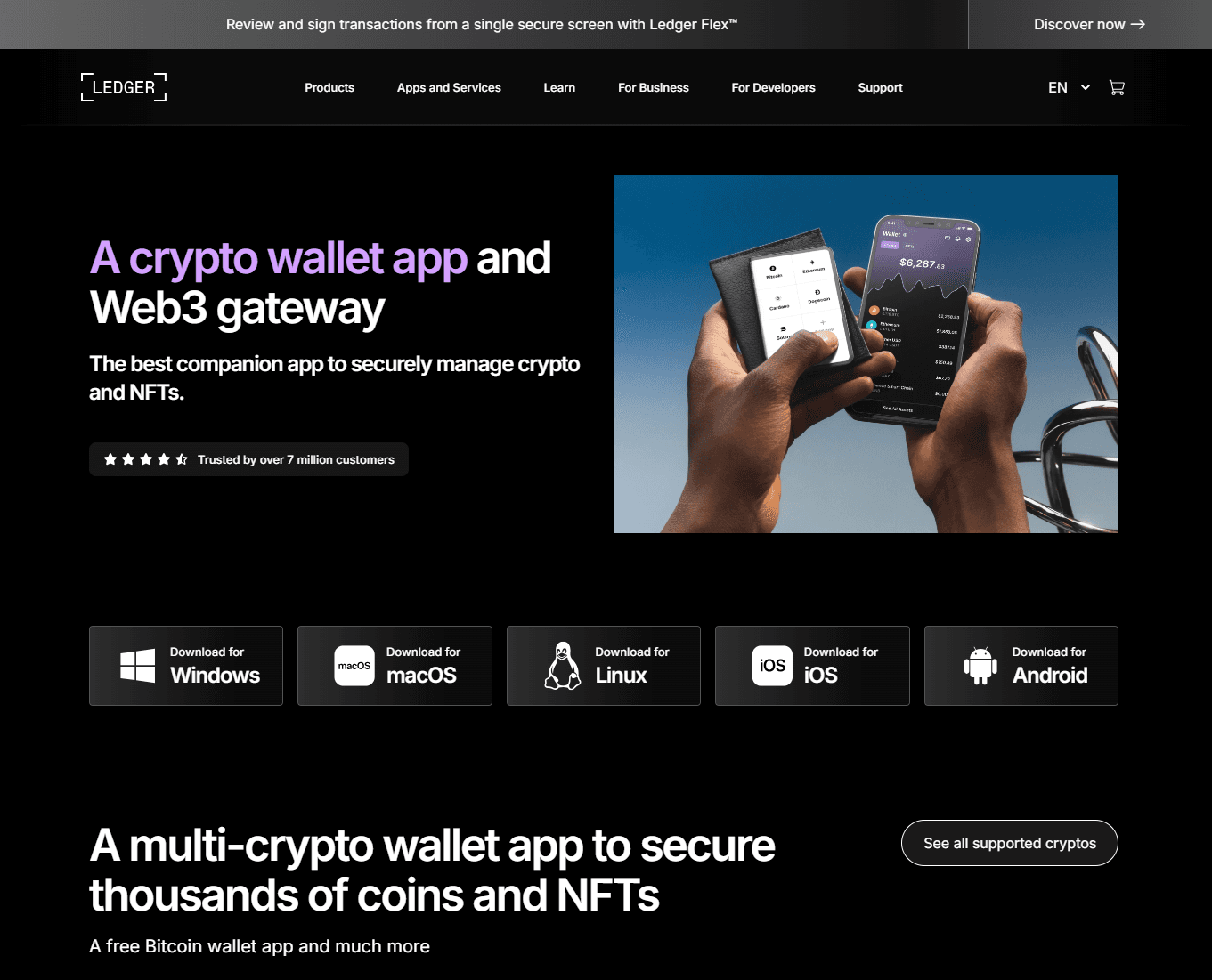
Ledger Live is the software companion to your hardware wallet, available via Ledger.com/start. This app is where the magic happens – trading, sending, receiving, and alerts all in one place. Download it from the official site to avoid fakes; Ledger.com/start has direct links for Windows, macOS, Linux, iOS, and Android.
After installation, open Ledger Live and connect your device. The app will sync with your wallet, displaying your portfolio overview. Add accounts for different cryptocurrencies by selecting from the extensive list. For example, to manage Bitcoin, install the Bitcoin app on your device through Ledger Live's manager section.
The interface is clean and intuitive, with a dashboard showing your total balance, recent transactions, and market charts. Customize it to focus on your preferred assets. If you're into trading, Ledger Live integrates with partners like Changelly or Paraswap for in-app swaps. This means you can exchange ETH for BTC without leaving the secure environment.
For mobile users, the app pairs seamlessly with Nano X via Bluetooth, allowing on-the-go management. Ledger.com/start emphasizes verifying the app's authenticity using checksums provided on the site. This step prevents downloading compromised versions. Once set up, explore the discover section for third-party apps, expanding functionality beyond basic storage.
Trading Crypto Securely with Ledger
Trading crypto can be thrilling but risky, and Ledger makes it safer. Through Ledger.com/start, learn how to use Ledger Live for swaps and integrations with DEXs. Start by funding your wallet – receive crypto from an exchange or another wallet.
In Ledger Live, navigate to the "Swap" tab. Select the assets you want to trade, enter amounts, and confirm on your hardware device. This hardware confirmation ensures no unauthorized trades occur. Fees are transparent, and you can compare providers for the best rates.
For advanced trading, connect Ledger to platforms like MetaMask or directly to DEXs via WalletConnect. Ledger.com/start has guides on this, warning against common pitfalls like approving malicious contracts. Set limits on trades to manage risk, and use the app's analytics to track performance.
Price volatility is a trader's friend and foe, but Ledger's integration helps. Monitor real-time prices within the app, and use historical data to inform decisions. If you're day trading, the mobile app keeps you connected without compromising security. Remember, while Ledger secures your assets, market knowledge is on you – diversify and never invest more than you can afford to lose.
Sending and Receiving Crypto Effortlessly
One of Ledger's strengths is simplifying transactions. To receive crypto, go to the "Receive" section in Ledger Live. Select the asset, and the app generates a unique address. Share this with the sender, and confirm the receipt on your device for added security.
Sending is just as straightforward. In the "Send" tab, enter the recipient's address, amount, and any memo if required (like for XRP). Adjust gas fees for Ethereum-based tokens to balance speed and cost. Always double-check addresses – a common error leading to lost funds.
Ledger.com/start offers tips on batch transactions for efficiency, useful if you're distributing airdrops or payments. For cross-chain sends, use bridges integrated via the discover section, but research them first for security.
Privacy-focused users can appreciate Ledger's support for anonymous coins like Monero. Transactions are logged in your history, helping with tax reporting. If you're sending to family or friends internationally, Ledger eliminates high fees associated with traditional remittances, making crypto a practical alternative.
Setting Up Price Alerts and Monitoring Markets
Staying ahead in crypto requires vigilance, and Ledger's price alerts feature is a game-changer. In Ledger Live, accessible after setup via Ledger.com/start, go to the asset's page and enable notifications. Set thresholds – for example, alert when Bitcoin drops below $50,000 or rises above $70,000.
Customize alerts for percentage changes, daily summaries, or specific events. This helps traders capitalize on dips or secure profits. The app pulls data from reliable sources, ensuring accuracy.
Beyond alerts, use the portfolio tracker to visualize asset allocation with pie charts and graphs. Set goals, like accumulating a certain amount of ETH, and track progress. For long-term holders, this feature reduces the need for constant app-checking, promoting healthier habits.
Ledger.com/start encourages combining alerts with news feeds from integrated sources, keeping you informed without external apps. If markets crash, alerts give you time to react, perhaps by sending assets to stablecoins.
Exploring Additional Features and Integrations
Ledger goes beyond basics with staking, lending, and NFT management. Stake proof-of-stake coins like Tezos directly in Ledger Live for passive income, with your keys always secure.
For NFTs, add an Ethereum account and connect to marketplaces like OpenSea via WalletConnect. Buy, sell, or display your collection without exposing keys.
Ledger.com/start highlights enterprise solutions for businesses, but for individuals, focus on personal finance tools. Integrate with tax software for seamless reporting, or use the card feature if available in your region for spending crypto.
Community-driven apps expand possibilities – from DeFi protocols to gaming integrations. Always vet third-party apps, as Ledger.com/start warns, to avoid risks.
Security Best Practices and Troubleshooting
Security is Ledger's hallmark, but user habits matter. Use strong, unique PINs and enable two-factor authentication where possible. Avoid public Wi-Fi for transactions, and regularly update firmware via Ledger Live.
If issues arise, like connection problems, Ledger.com/start's support section has troubleshooting guides. Contact support only through official channels to dodge scams.
In case of loss, recover using your phrase on a new device. Ledger's recovery check app verifies phrases without risking exposure.
Conclusion: Empower Your Crypto Journey with Ledger
Getting started on Ledger.com/start opens doors to secure trading, effortless sending and receiving, proactive price alerts, and a suite of advanced features. With its hardware-software combo, Ledger empowers you to take control of your crypto without unnecessary risks. Whether you're a casual user or serious trader, the platform's user-friendly design ensures accessibility.
Remember, crypto involves volatility – educate yourself, start small, and prioritize security. By following this guide, you're well-equipped to navigate the digital asset landscape. Visit Ledger.com/start today and begin your journey toward financial independence in the blockchain era.